


Understanding gambling addiction signs, impacts, and recovery paths
Understanding gambling addiction signs, impacts, and recovery paths
Recognizing the Signs of Gambling Addiction
Gambling addiction often manifests through a variety of behavioral signs that may not always be immediately evident. Individuals may find themselves preoccupied with gambling, spending excessive time planning future gambling activities or reminiscing about past wins. This obsession can lead to neglecting responsibilities in personal and professional lives, highlighting a crucial warning sign of addiction. Some people may even get drawn to new crypto casinos as a way to chase the thrill of the gamble.
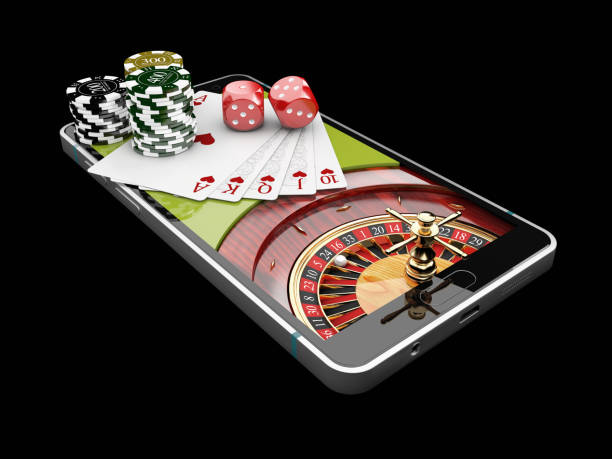
Another key indicator is the increasing need to gamble larger amounts of money to achieve the same level of excitement. This tolerance can escalate quickly, pushing individuals deeper into a cycle of debt and further gambling, as they chase the elusive feeling of a win. It is vital to be aware of these signs, as early recognition can facilitate timely intervention.
Understanding the Impacts of Gambling Addiction
The impacts of gambling addiction extend far beyond the financial realm, affecting emotional and social well-being. Individuals may experience heightened levels of stress, anxiety, and depression as they face mounting debts and strained relationships. This emotional turmoil can lead to isolation, as gamblers often withdraw from friends and family to hide their behavior.
Moreover, gambling addiction can have profound consequences on physical health. The stress associated with financial instability can result in a range of health issues, from sleep disorders to cardiovascular problems. Recognizing the extensive impacts of gambling addiction is crucial for understanding the need for effective recovery strategies.
Exploring the Recovery Paths
Recovery from gambling addiction is a multi-faceted process that often begins with acknowledging the problem. Individuals may benefit from seeking professional help, such as therapy or counseling, which can provide them with tools to cope with their addiction. Cognitive Behavioral Therapy (CBT) has shown success in helping individuals change their thought patterns and behaviors related to gambling.
Support groups also play a vital role in recovery, offering a safe environment for individuals to share their experiences and learn from others. Organizations like Gamblers Anonymous provide community support that reinforces personal accountability and encourages recovery through shared stories and strategies. The journey to recovery can be challenging, but with the right resources, it is achievable.
Importance of Support Systems
Having a solid support system is critical for individuals on their journey to recovery from gambling addiction. Family and friends can provide emotional support, understanding, and encouragement as the individual works to rebuild their life. Open communication about the addiction can help restore trust and strengthen relationships that may have been damaged due to gambling behavior.
In addition, engaging in healthy activities and hobbies can serve as a positive outlet for individuals recovering from gambling addiction. These alternatives not only occupy time but also foster a sense of fulfillment and joy that gambling once provided. Recovery is a holistic process that benefits from both emotional support and engaging in new, constructive activities.
Learn More About Effective Resources
For those seeking to improve their spelling and writing skills, consider exploring resources dedicated to language learning. Engaging with interactive quizzes and comprehensive guides can significantly enhance your writing confidence. Such tools are invaluable for individuals striving to master their communication skills, whether for academic, professional, or personal growth.
Joining a community focused on improving language abilities can provide encouragement and motivation. By participating in exercises tailored for various skill levels, you can unlock your potential and see tangible improvements in your language proficiency over time.

