

Exploring the psychology behind casino gambling Why do we play
The Appeal of Casino Gambling
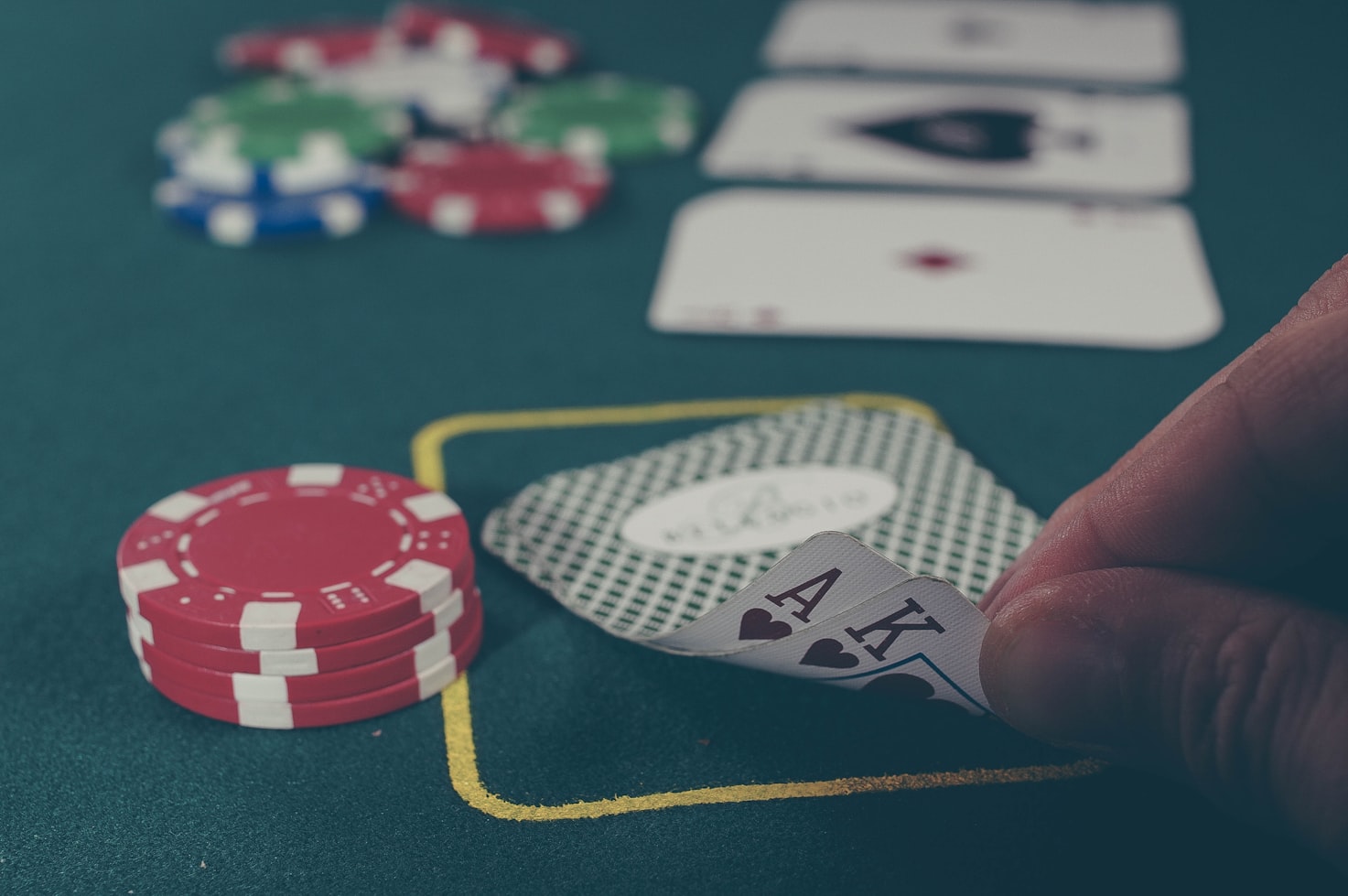
Casino gambling captivates millions of individuals worldwide. The allure often lies in the thrill of risking money for the potential of winning big. This sensation triggers the brain’s reward pathways, releasing dopamine, a neurotransmitter associated with pleasure and reward. The excitement of placing bets and the anticipation of spinning the reels or turning cards creates an adrenaline rush that many find irresistible. In fact, some individuals may even prefer the rush associated with playing games at top bitcoin casinos.

Additionally, the immersive environments of casinos enhance this appeal. Bright lights, enticing sounds, and carefully designed layouts create a sensory-rich experience that draws players deeper into the action. This atmosphere fosters an emotional connection, making it easy for individuals to lose track of time and money while chasing the euphoric highs of potential wins.
The Role of Psychological Triggers
Cognitive biases significantly influence gambling behavior. Many players fall victim to the “gambler’s fallacy,” where they believe that past outcomes can affect future results. For instance, someone might think that after a series of losses, a win is due. This belief can lead to continued play, even when the odds are stacked against them.
Moreover, variable reinforcement schedules play a crucial role. Players receive rewards sporadically, creating a cycle of hope and uncertainty. The unpredictability of winning keeps gamblers engaged, as they never know when the next big payout might occur. This psychological dynamic keeps individuals returning to the casino, often against their better judgment.
The Social Aspect of Gambling
Casino gambling is often a communal activity. Many people enjoy the social interactions that come with playing games at tables. The shared experience of anticipation and excitement creates bonds between players, making gambling more than just a solitary pursuit. For some, the casino serves as a social hub where friendships are forged over a shared love for games.
The presence of others can also influence individual choices. Social pressure and the desire to fit in can lead people to gamble more than they typically would. The excitement of being part of a group can overshadow personal limits, making it easier for individuals to justify their spending and risk-taking behaviors.
The Impact of Emotion and Stress
Gambling can serve as an emotional outlet for many individuals. People often turn to casinos to escape life’s stresses, seeking solace in the thrill of the game. However, this coping mechanism can be a double-edged sword. While gambling may provide temporary relief, it can exacerbate underlying issues if it leads to financial problems or addiction.
Additionally, the emotional rollercoaster of winning and losing can create a cycle of highs and lows. Gamblers may chase losses in hopes of regaining their previous financial status, believing that they are due for a win. This emotional investment can lead to compulsive gambling behaviors, where individuals prioritize gambling over responsibilities and relationships.
Ensuring Safe Gambling Practices Online
As the landscape of gambling evolves, it’s essential to promote safe practices, especially in online venues. Websites that prioritize user security and responsible gaming are crucial in this respect. Transparency about risks and access to support can help mitigate the negative effects of gambling.
Engaging with platforms that emphasize security, such as those utilizing robust protective measures, ensures a safer gaming experience. Users should feel empowered to communicate any concerns related to their gambling habits or site access issues, fostering a culture of accountability and support. By focusing on safe gambling practices, players can enjoy the excitement of the game while minimizing risks associated with excessive gambling.
